

The Lodestone
In memory of Master Sergeant Thomas "Tommy" Hartrick
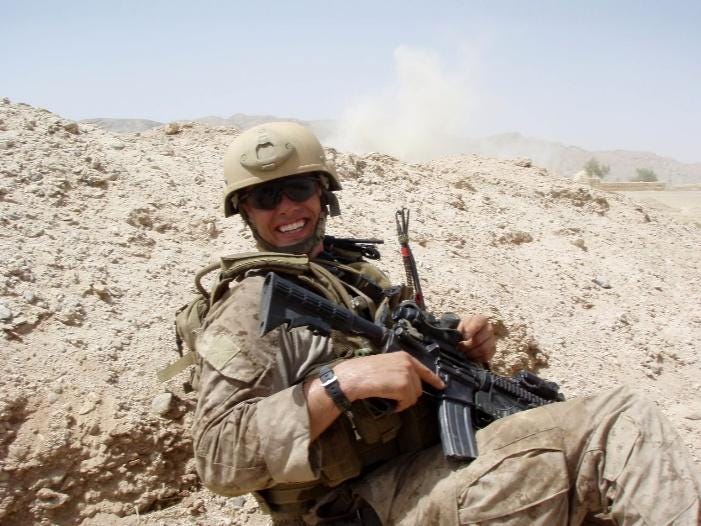
Thomas “Tommy” Hartrick was born on November 11th, 1979 in Stevensville, Montana. His family later moved to Avon, Indiana, where Tommy grew into the kind of young man who seemed destined for the Marine Corps. He graduated from Avon High School in 1998 and spent the next two years serving a church mission in Mexico.
In 2000, Tommy returned home and enlisted in the United States Marine Corps. He became an 0352 anti-tank missileman with CAAT 2/1, though Tommy was a machine gunner at heart. He always seemed most at home behind the spades of a M2 .50 caliber machine gun, riding high in the turret with the kind of calm confidence that made younger Marines feel invincible.
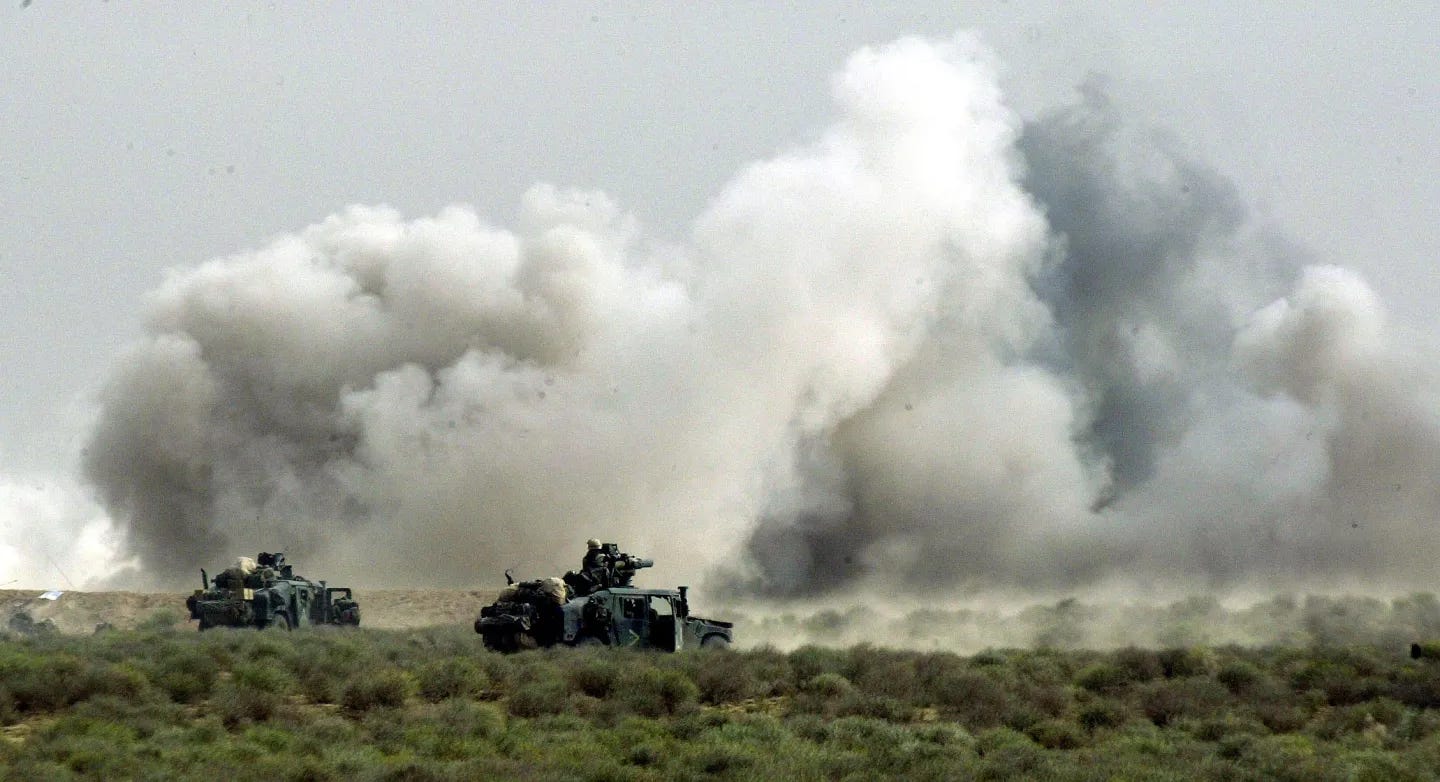
Tommy deployed to Iraq in 2003 with the 15th Marine Expeditionary Unit and participated in the invasion of Iraq as part of the 2nd Marine Expeditionary Brigade.
At the time, most Americans expected a short war built around precision strikes and the rapid collapse of Saddam Hussein’s government. Instead, the Marines found themselves fighting brutal urban battles against determined Iraqi resistance forces defending key terrain along the drive to Baghdad.
Tommy and the members of the 2nd Marine Expeditionary Brigade, alongside the Marines of Task Force Tarawa, were tasked to clear the city of Nasiriyah. The Battle of Nasiriyah was one of bloodiest fights of the invasion. Iraqi Fedayeen fighters turned bridges, alleyways and overpasses into kill zones against advancing American forces.
Marines and Sailors fought block by block through withering small arms fire and RPG attacks while trying to maintain momentum north. Burning vehicles littered the roads while ambushes erupted from buildings, palm groves and rooftops across the city.
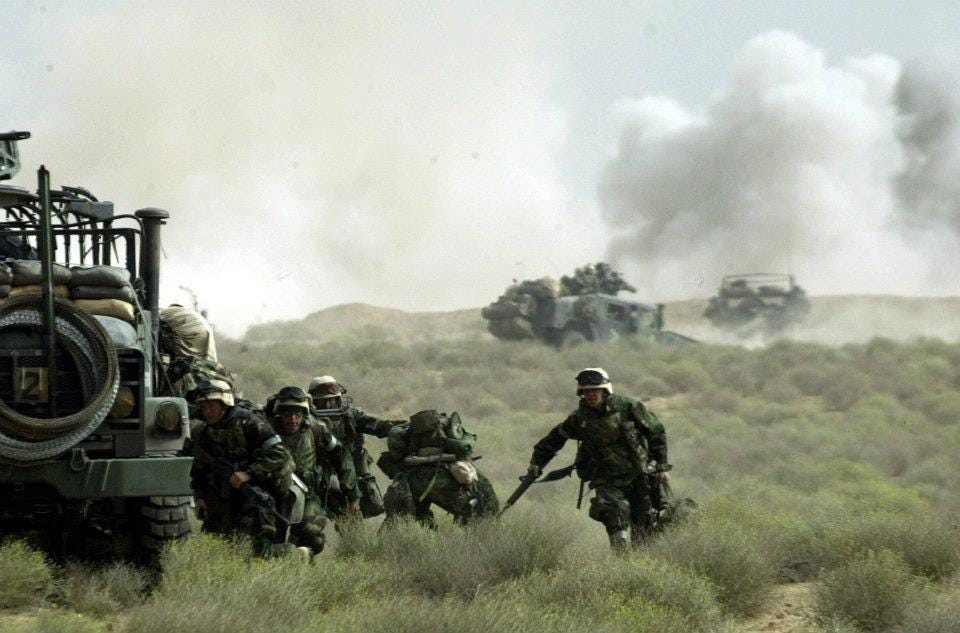
Tommy and his CAAT section were critical to the fight because they could bring overwhelming firepower into tight urban terrain where Iraqi fighters repeatedly attempted to stall the advance. Their heavy machine guns and TOW missiles cut through resistance as they pushed their way into the heart of the city. Tommy thrived in that kind of environment. He spent much of the battle behind the spades of a .50 caliber machine gun hammering enemy positions as Marines fought to secure the city.
At some point in the battle, Tommy caught an AK-47 round in this thigh. He refused medevac and spent the rest of the invasion with a bullet in his leg.
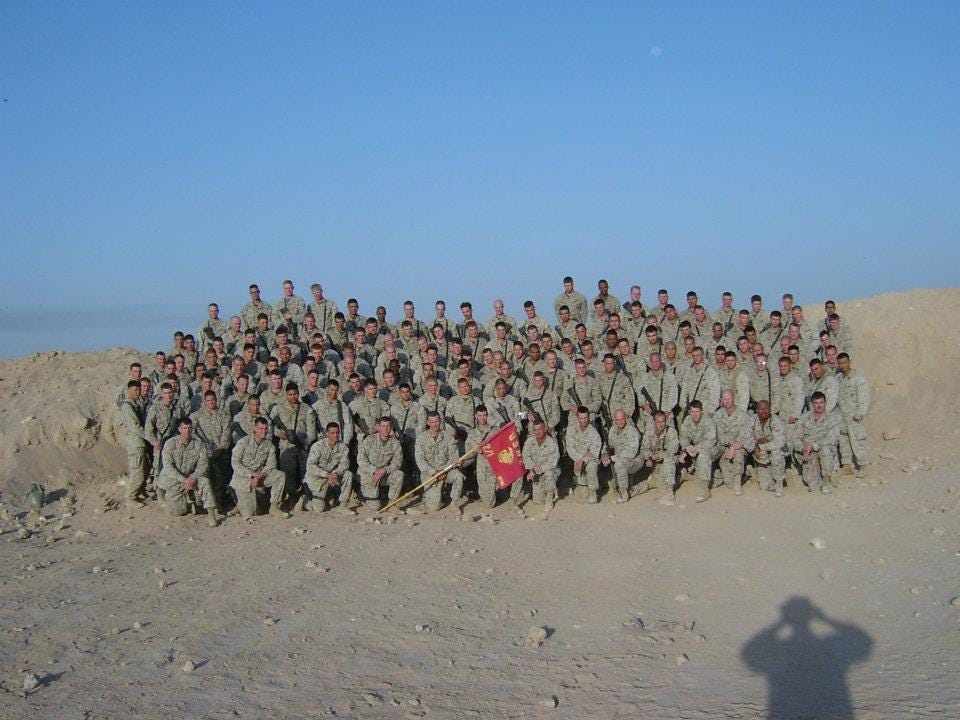
Hartrick returned to Iraq in late March of 2004 with 2/1. At first, Fallujah still felt relatively calm. Marines from 2/1 patrolled neighborhoods like Iskari while civilians filled the streets and children came out to watch the new Americans moving through the city. There was tension beneath the surface, but little indication that Fallujah was about to become one of the bloodiest battlegrounds of the Iraq War.
Everything changed on March 31st, 2004 when insurgents killed four Blackwater contractors in the city of Fallujah and mutilated their bodies. Images of their burned bodies hanging from a bridge over the Euphrates River shocked the world and transformed Fallujah into the center of the Iraqi insurgency almost overnight.
Fallujah already had a reputation for being one of the most dangerous cities in Iraq. It was a growing stronghold for Sunni insurgent groups resisting the American occupation. Former Baathists, foreign fighters and religious extremists were consolidating influence inside the city while using its dense urban terrain and fiercely anti-American population to shield their operations from Coalition forces.
2/1 returned to Iraq in late March of 2004 during a period when much of the country still appeared deceptively stable. Fallujah, however, was already emerging as one of the most dangerous cities in Iraq and a growing stronghold for Sunni insurgent groups resisting the American occupation. Marines from 2/1 patrolled neighborhoods like Iskari while civilians filled the streets and children came out to watch the new Americans moving through the city. There was tension beneath the surface, but little indication that Fallujah was about to become one of the bloodiest battlegrounds of the Iraq War.
Everything changed on March 31st, 2004 when insurgents killed four Blackwater contractors inside the city and mutilated their bodies. Images of the burned corpses hanging from a bridge over the Euphrates River shocked the world and ignited a massive American response. Within days, Tommy and his CAAT platoon pushed into the city. Marines occupied rooftops and fortified buildings while insurgents fired from alleyways, mosques and hidden fighting positions. At night the city glowed green through night vision goggles, broken only by muzzle flashes, tracers and infrared lasers searching frantically across the skyline.
Tommy and his CAAT section became critical to the fight because they could bring overwhelming firepower into tight urban terrain where Iraqi fighters repeatedly attempted to stall the advance. Their heavy machine guns and TOW missiles cut through resistance as Marines pushed deeper into the city.
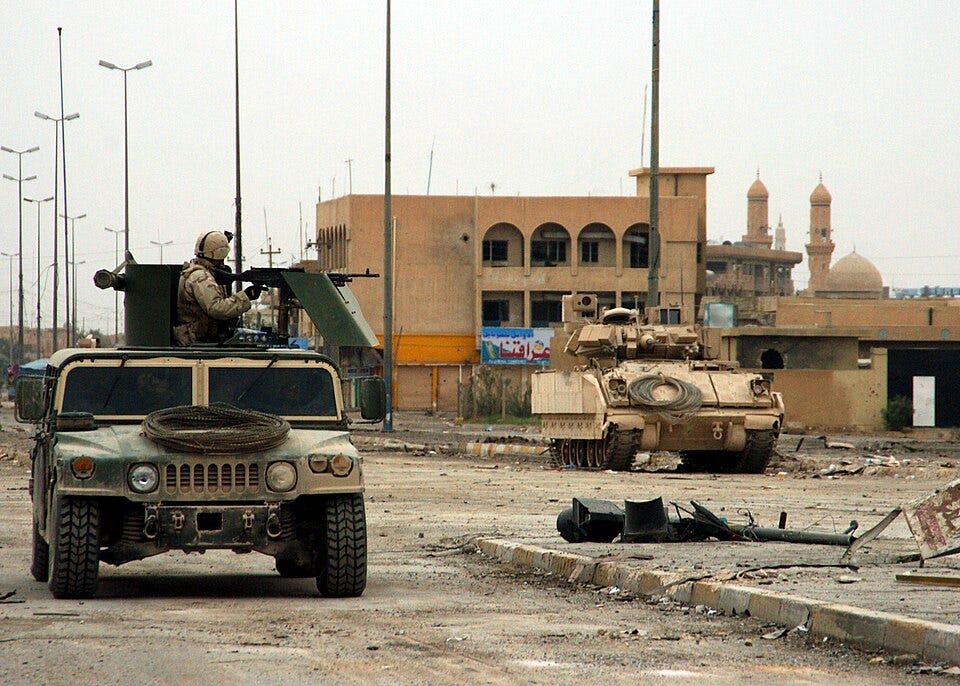
During one of the countless firefights raging across the city, Tommy was shot in the leg. Although he was brought to Bravo Surgical at the MEK for evacuation, he refused to leave Iraq and instead departed the aid station to rejoin the Marines still fighting inside Fallujah. The bullet remained lodged in his leg for the rest of his life.
Following the battle, Tommy became heavily influenced by legendary combat leaders such as Captain Doug Zembiec of Echo Company, 2nd Battalion, 1st Marines. Like many young Marines who fought in Fallujah, Tommy emerged from the battle hardened by combat and searching for a greater challenge. He later attended and passed the demanding 1st Force Reconnaissance Company indoctrination pipeline, beginning the next chapter of his career as a Recon Marine.
Tommy deployed with 1st Force Reconnaissance Company during Operation Iraqi Freedom at a time when the war was evolving into a brutal insurgency spread across western Iraq. Recon Marines conducted raids, direct action missions and reconnaissance operations throughout some of the most dangerous areas of the country. Tommy participated in major operations including Operation Matador near the Syrian border and Operation Sword in the city of Hit, hunting insurgent networks operating along the Euphrates River Valley. By that point, Tommy had developed a reputation as the kind of Marine who naturally moved toward danger instead of away from it.
Tommy returned from Iraq to see the Marine Corps deactivate his beloved 1st Force Reconnaissance Company in order to create 1st Marine Special Operations Battalion. His platoon formed the core of the new Deep Reconnaissance Platoon at 1st Recon Battalion. Tommy was originally scheduled to participate in a diving exchange with Malaysian special operations forces, but those plans changed abruptly after Taliban fighters killed several Marines in Helmand Province during the summer of 2008.
Within days, 2nd Platoon, 1st Force, call sign “Jaeger,” was on the ground in Afghanistan.
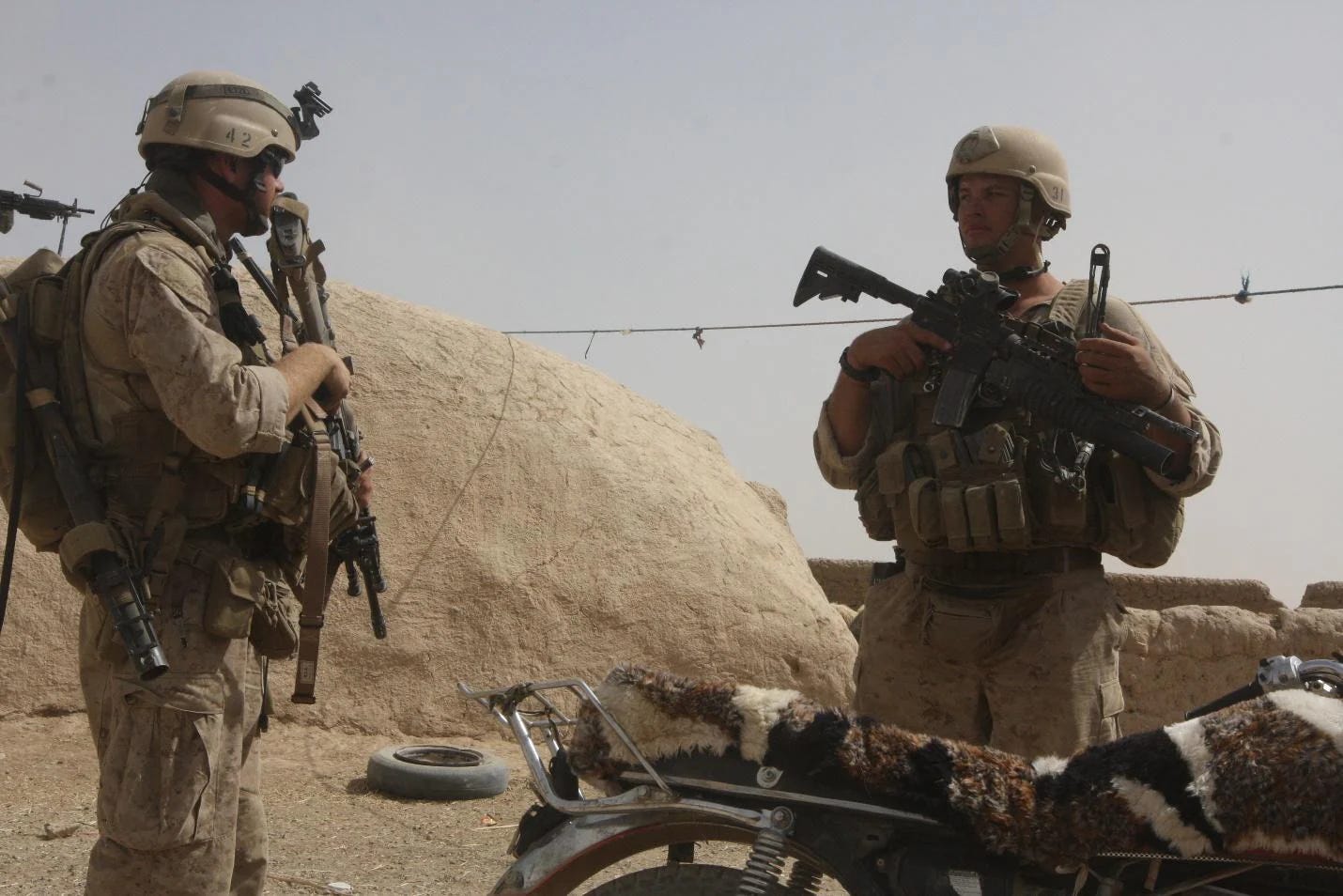
The platoon fought across western Afghanistan, striking terror into the hearts of the Taliban leaders they hunted down and removed from the battlefield.
Shewan was one of the largest Taliban strongholds in western Afghanistan and a major center of insurgent activity near the Iranian border. In August of 2008, SSgt Hartrick and a small group of Marines pushed deep into the village in an attempt to disrupt Taliban operations in the region.
Taliban fighters occupied fortified compounds and trench systems throughout the village and quickly pinned the Recon element down with heavy machine gun fire, RPGs and coordinated attacks from multiple directions. The Marines were badly outnumbered and isolated deep inside enemy controlled territory. Cobra gunships, mortars and airstrikes pounded Taliban positions across the valley while the Marines fought inch by inch to avoid being overrun. The fighting became so intense that Taliban fighters repeatedly closed within hand grenade range of Marine positions.
Tommy played a critical role in the counterattack, maneuvering Marines through intense enemy fire as the platoon fought to regain the initiative. He was in the thick of the fighting, right where he was born to be, collapsing repeated Taliban assaults with his particular brand of violence.
By the end of the battle, the Recon Marines had inflicted catastrophic losses on the Taliban, killing more than one hundred enemy fighters without losing a single American Marine.
The Battle of Shewan became one of the most violent and significant combat actions fought by Reconnaissance Marines during the war in Afghanistan. The battle demonstrated the continued need for deep reconnaissance and direct action capabilities within the Marine Corps and became a major factor in the eventual reactivation of the Force Reconnaissance Companies in 2009.
Tommy later served as the “Blue Collar 1” Team Leader with 2nd Platoon, 1st Force during the Visit, Board, Search and Seizure (VBSS) mission to retake the M/V Magellan Star after Somali pirates seized the vessel and took its civilian crew hostage in the Gulf of Aden.2
By 2010, Somali piracy had become a major international crisis as heavily armed pirate groups hijacked commercial vessels throughout one of the busiest shipping lanes in the world. The pirates aboard the Magellan Star believed they had captured another helpless merchant ship drifting through lawless waters far from help.
Instead, they found themselves face to face with a Force Recon platoon.
Force Recon Marines fast roped onto the ship from helicopters and rapidly secured the vessel while armed Recon teams cleared the compartments below deck. Tommy and his platoon captured the nine Somali pirates holding the crew hostage and successfully rescued all eleven civilian crew members without friendly casualties. The operation became one of the most successful maritime hostage rescue missions conducted during the Global War on Terrorism and remains one of the defining operations in the modern history of Force Reconnaissance.
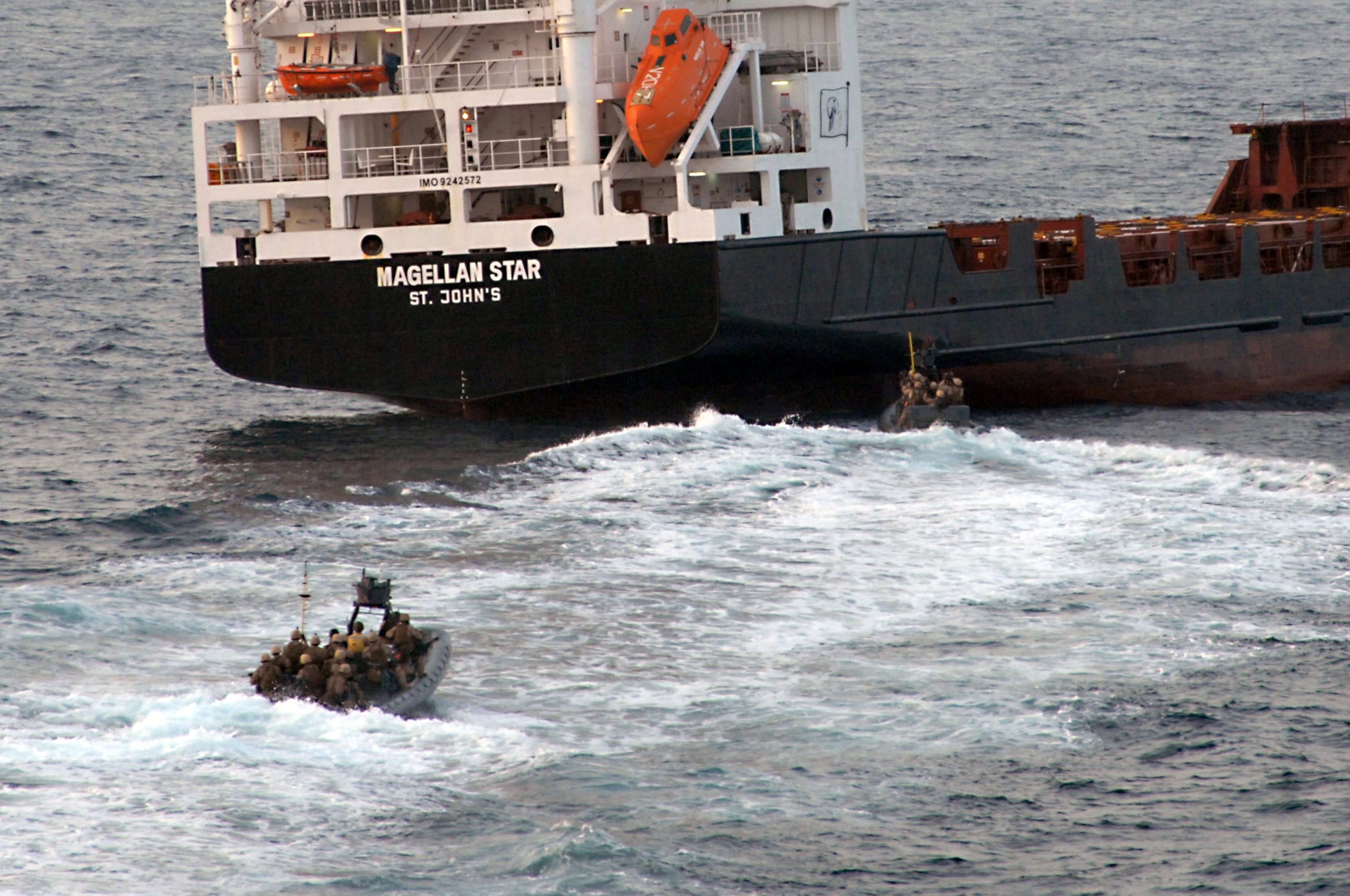
By 2010, Somali piracy had become a major international crisis as heavily armed pirate groups hijacked commercial vessels throughout one of the busiest shipping lanes in the world. The pirates aboard the Magellan Star believed they had captured another helpless merchant ship drifting through lawless waters far from help.
Instead, they found themselves face to face with a Force Recon platoon.
Force Recon Marines fast roped onto the ship from helicopters and rapidly secured the vessel while armed Recon teams cleared the compartments below deck. Tommy and his platoon captured the nine Somali pirates holding the crew hostage and successfully rescued all eleven civilian crew members without friendly casualties. The operation became one of the most successful maritime hostage rescue missions conducted during the Global War on Terrorism and remains one of the defining operations in the modern history of Force Reconnaissance.
Beyond his extensive combat record, Tommy was known for the impact he had on the Marines around him. Junior Marines viewed him as the embodiment of the Reconnaissance ethos: gifed in combat, technically proficient, physically tough and deeply loyal to his teammates. He carried himself with quiet confidence and earned the respect of everyone who served alongside him.
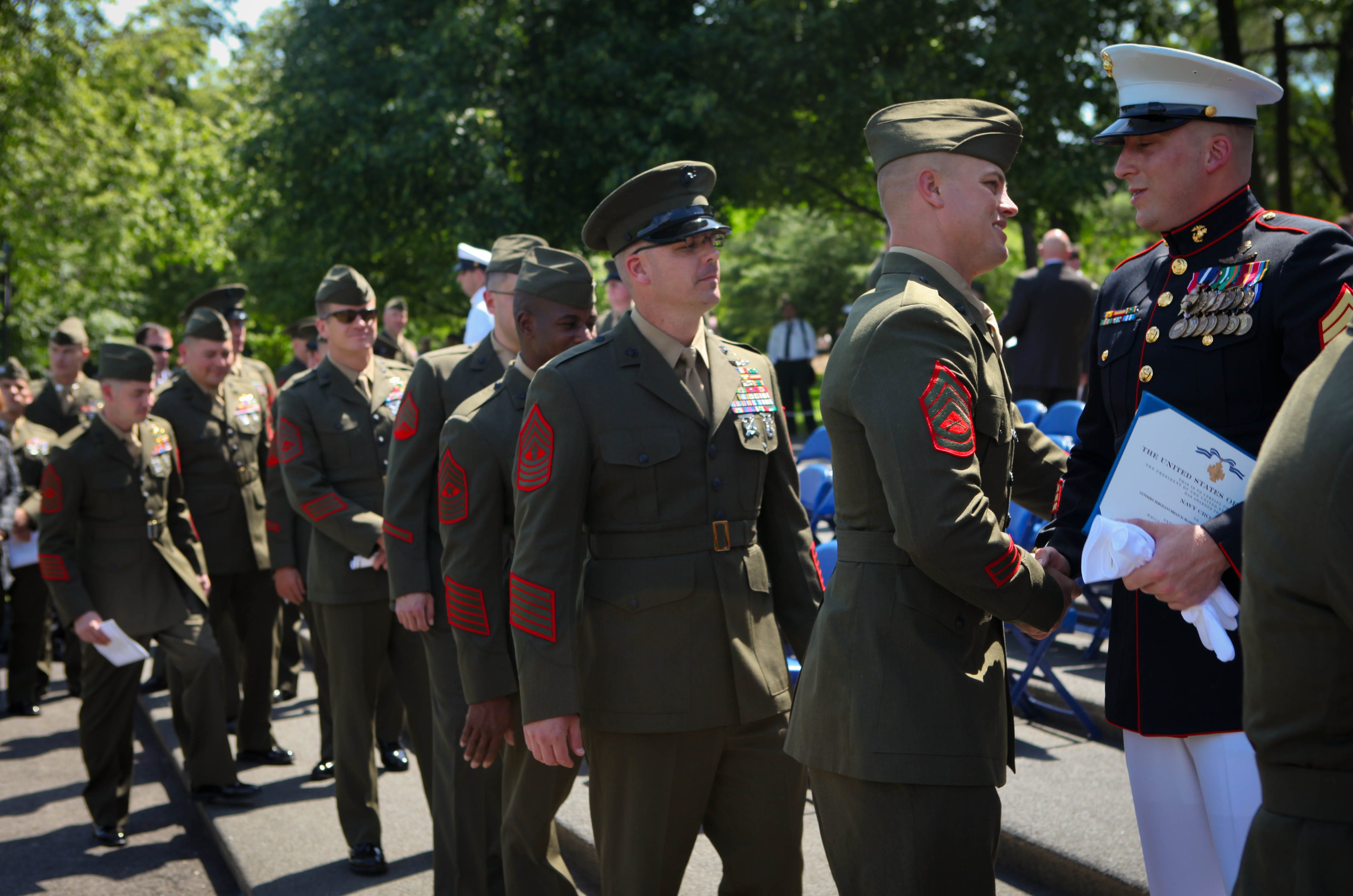
Following his military service, Tommy continued working overseas as a contractor supporting operations in Africa.
Tragically, Thomas “Tommy” Hartrick passed away on July 16, 2024 due to a sudden and unexpected illness while working in the Democratic Republic of the Congo. He is survived by his fiancée Brooke and his children Sadie, Kami, and Jonah.
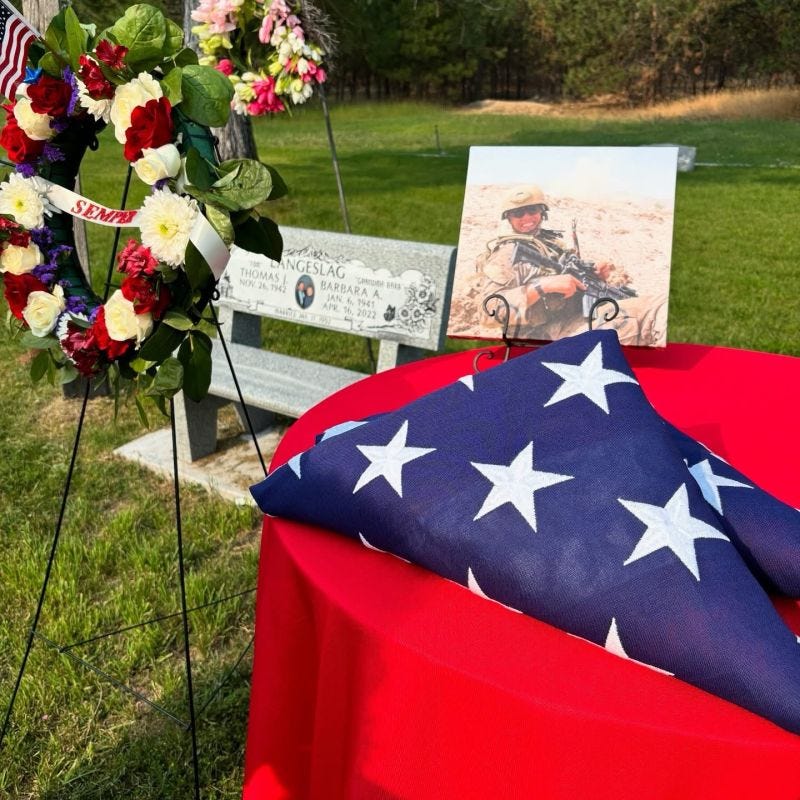
The Reconnaissance Community lost one of its standard bearers with Tommy’s passing. His legacy lives on in the Marines and Sailors he led, mentored and inspired throughout two decades of war.